
Fueling Performance During the Holidays: How Athletes Can Stay on Track Without Missing the Fun
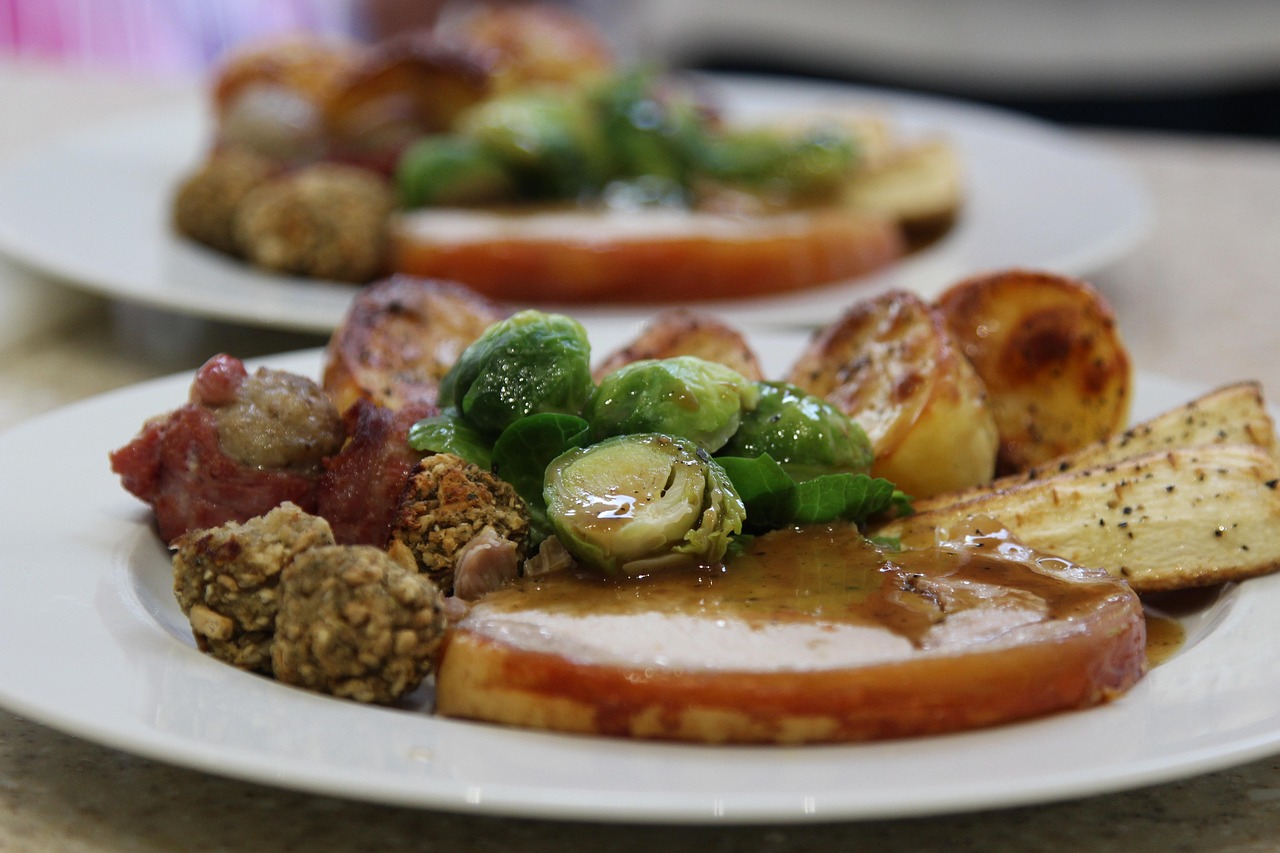

The holidays are a time of celebration, travel, and well-deserved downtime. But for athletes—especially youth and high-school athletes—this season can also disrupt routines, shake up training schedules, and make balanced eating a challenge. Between big family meals, holiday parties, and travel days, it’s easy to drift away from the habits that support performance.
The good news? Athletes don’t need to choose between enjoying the holidays and staying fueled like a pro. With a bit of planning and a flexible mindset, they can maintain energy levels, support recovery, and return to training in January feeling strong—not sluggish.
Here’s why holiday nutrition matters and how athletes can manage it without missing out on any of the festivities.
Why Holiday Nutrition Matters for Athletes
1. Consistency Supports Performance
Athletes’ bodies rely on consistent fueling. Dramatic changes—skipping meals, overeating, loading up on sugar, or drastically reducing protein—can result in fatigue, poor recovery, and sluggishness when training resumes.
2. Holiday Breaks Are Recovery Time
Many teams take 1–3 weeks off around the holidays. That time can either contribute to improved recovery and strength gains…or derail conditioning. Proper nutrition helps muscles repair, reduces inflammation, and prevents the “reentry shock” athletes feel when they come back to intense workouts.
3. Immune Health Matters
Travel, colder weather, and indoor gatherings can put stress on the immune system. Good nutrition—especially adequate vitamins, minerals, and hydration—keeps athletes healthy and less likely to miss January training due to sickness.
Practical Strategies for Athletes to Manage Nutrition During the Holidays
1. Don’t Skip Breakfast—Even When Schedules Change
Sleeping in is part of holiday relaxation, but skipping breakfast often leads to overeating later. A simple, balanced breakfast makes a huge difference.
Quick breakfast options:
-
Yogurt + fruit + granola
-
Eggs + whole-grain toast
-
Oatmeal with nuts or peanut butter
-
Smoothie with protein
-
Breakfast burrito with eggs/beans/veggies
The goal: a mix of protein, carbs, and healthy fats.
2. Keep Protein Consistent
Even when training slows down, athletes need protein to rebuild muscle and maintain strength. Holiday meals often skew heavily toward carbs and desserts.
Daily protein goals:
Aim for a source of protein at every meal and snack.
Examples:
-
Turkey/chicken, ham, fish
-
Eggs
-
Greek yogurt
-
Cheese sticks
-
Nuts and nut butters
-
Protein bars (watch sugar levels)
3. Use the “Half Plate Rule”
When athletes head into holiday meals, encourage them to use a simple guideline:
Fill half the plate with nutrient-dense foods
(veggies, fruits, lean proteins)
Then enjoy favorite holiday dishes with the remaining half.
This builds balance without restricting enjoyment.
4. Hydration: The Most Overlooked Habit
Cold weather reduces thirst cues, and travel disrupts routines. Even mild dehydration affects energy, recovery, and immune function.
What athletes can do:
-
Bring a water bottle while traveling
-
Drink water with each meal
-
Choose water over soda or sugary holiday drinks most of the time
-
Use electrolyte packets on days they’re more active
5. Snack Smart on Travel Days
Airports, long drives, or holiday shopping can limit food options. Planning ahead keeps athletes fueled and prevents energy crashes.
Travel-friendly snacks:
-
Trail mix
-
Beef jerky
-
Fruit
-
Whole-grain crackers
-
Protein bars
-
Nut butter packets
6. Stay Active—Even in Small Ways
This is technically not nutrition, but it influences appetite, mood, and metabolism. Athletes don’t need full workouts every day, but light activity helps regulate energy balance and digestion.
Ideas:
-
Family walks
-
Short bodyweight circuits
-
Quick stretch or mobility sessions
-
Pickup basketball or soccer
-
Sledding or outdoor play
7. Pay Attention—Not Perfection
The goal of holiday nutrition isn’t strict dieting. It’s being intentional enough to avoid losing progress, while still enjoying traditions.
Encourage athletes to:
-
Listen to hunger and fullness cues
-
Enjoy holiday foods without guilt
-
Avoid “all-or-nothing” thinking
-
Use holidays as practice in long-term healthy habits
The mindset should be: “Make good decisions most of the time—not every time.”
A Sample Day of Balanced Holiday Eating
Breakfast:
Eggs, whole-grain toast, fruit
Snack:
Greek yogurt + berries
Lunch:
Turkey or chicken wrap with veggies
Water or electrolyte drink
Snack (travel or afternoon):
Trail mix or apple + nut butter
Holiday Dinner:
Half plate with protein + veggies
Other half with favorite holiday sides
Dessert in a reasonable portion
This structure gives athletes stability while leaving plenty of room for enjoyment.
Final Message to Athletes
Enjoy the holidays. Celebrate, relax, and recharge. But remember that nutrition is part of your training—just like lifting, conditioning, and skill work.
By staying mindful of what goes on your plate (and staying hydrated!), you can return to your sport in January energized, healthy, and ready to compete at your best. And if your coaches run winter training camps or holiday clinics through NetCamps, your nutrition choices now will help you get the most out of every session.